


What a Limited Edition Poster Is Worth

We think our limited edition posters are fairly priced on an ordinary Tuesday. That’s also how we want customers to see them on Black Friday. This year, we’re covering Standard shipping on unframed posters from November 27 through November 30, 2026, even if you order just one.
Two offers we’re happy to keep
Ordering from an online shop you’ve never used takes a little trust. Our 10% welcome discount gives new email subscribers a chance to try MyRetroPoster on their first order. And with RETROF4N, Retro Club subscribers get 15% off orders of four or more eligible posters. These are standing offers with a clear purpose. See the Retro Club offers.
Why we ran promotions in the first place
We’ve run promotions before, and we’ll run them again when there’s a good reason. When we sold through marketplaces, joining campaigns often felt like the price of being seen. In our experience, sitting out a sale could mean giving up much of the visibility that came with it. So we took part, even when we felt the posters were already fairly priced. That pressure is one reason we now sell directly, through our website and our galleries.
We’re happy to consider an exceptional discount for a loyal customer or a particularly large order. In those cases, there’s a reason for the gesture. A date on the retail calendar is less persuasive when the price already reflects what it takes to make the work.
We print when you order
We print every poster ordered online to order, and we print a good share of our gallery sales on demand too. We keep some prints on hand in the galleries. Our online catalogue, though, works without piles of finished posters that we need to clear at the end of a season. A limited edition sets a cap on how many prints we’ll make over time. For our standard editions, that’s 300 prints across all sizes.
What happens when there’s always another sale?
When the same artwork is regularly discounted, waiting for the next sale becomes the sensible thing to do. Over time, the price the work usually sells for and the price printed beside it can become two very different numbers.
We’ve seen prices raised ahead of a sale to make the discount look bigger. We’ve never done that at MyRetroPoster. We shop online ourselves, and it gets under our skin when a deal makes us feel like we’re being taken for fools. We try to hold ourselves to the same standard we expect from the shops we buy from. Imagine an item that usually sells for €40. It goes up to €60 just before an event and then returns to €40 with a “save €20” label. Or the €60 is crossed out even though nobody could ever buy the item at that price. The customer sees a saving of €20 against a price that tells them very little about what the item normally costs.
Under EU rules, the reference price for an advertised reduction on goods is generally the lowest price that seller applied during the preceding 30 days. In a screening of 314 online traders around Black Friday and Cyber Monday 2025, EU consumer authorities reported that 30% used incorrect discount references. That finding concerns the businesses screened. It shows why a price history matters when a percentage is doing most of the selling. European Commission, 26 March 2026.
There’s more to a poster than the sheet of paper
Someone who bought a poster in one of our galleries later wrote that they found it “comically overpriced.” They’d chosen the print in person, and we’d unrolled it so they could see it before deciding. A customer can still feel differently about a purchase afterwards. The comment made us think about how much of the work behind a print can get left out when we decide what it ought to cost.
Think of a dish at a restaurant. You can work out what it would cost to make at home. The menu price also pays for the cook’s time, the person who takes your order, the rent, the water and electricity, and the time it takes to clear your table and wash the dishes. You can decide the meal is outside your budget while recognising that the price of the ingredients tells only part of the story.
The paper and ink are part of our price, too. So are the artist’s time, the preparation of the artwork for print, printing to order, and the people who look after the gallery and help customers choose. We want the price to reflect the work involved in making each edition and give us room to keep doing it well.
What repeated discounting can cost
A sale can make sense if it brings in enough additional business. If it mainly shifts orders that would have happened anyway, there’s less left from each sale to pay for materials, wages and service. A business under that pressure may switch to cheaper materials, cut paid hours or lose the time it takes to help customers properly. And when households have fewer paid hours or less money to spend, independent shops feel that too. That’s the cycle we want to avoid.
The simplest way we can put the price in perspective is this. Depending on the size, one of our limited edition posters can cost about what you might spend on a meal out, on your own or with family. The meal can be worth every euro. The poster you choose might hang on your wall for years. We’d like you to choose it because it’s something you’ll enjoy seeing every day.
Explore the collection featured in this story

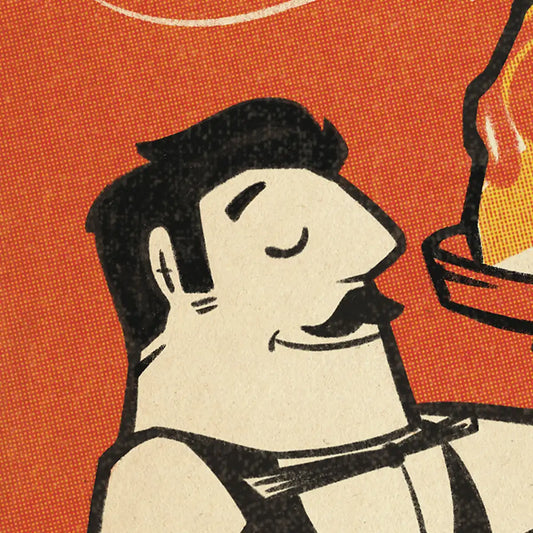
La Cantina Poster – Bravas Barcelona

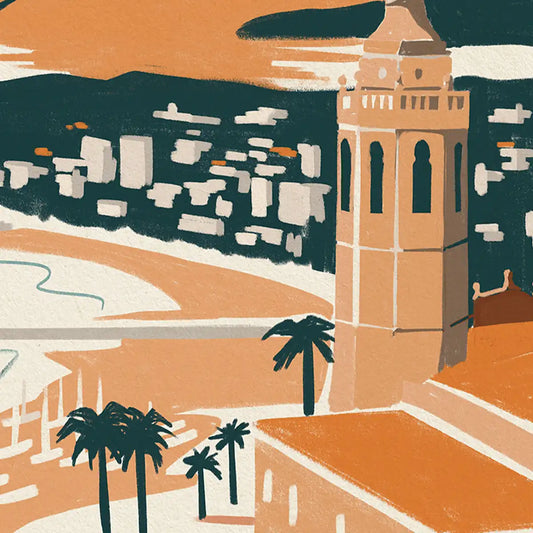
Sitges Bay Poster


Plaça Reial Barcelona Poster


How Much Poster

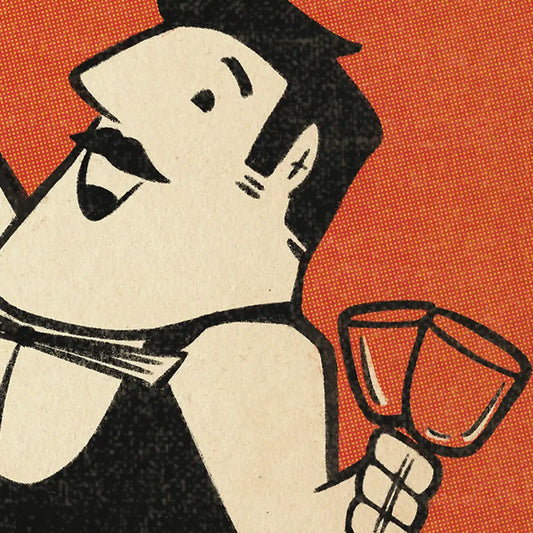
Sangria Poster La Cantina


